What happens
A chair that is yours,
three times a week.
Not a queue, not a maybe, not a phone call on Thursday to ask whether there is space. A time, a chair, and the same nurses waiting for you.
You will see those nurses more than a hundred and fifty times a year. Consultants come and go across this city; the nursing team is the constant, and in dialysis the nursing team is the treatment.
Bring something to do. Most people read, sleep, or watch something. It is four hours and it is boring, and boring is exactly what a good session feels like.
The water
120 litres,
every session.
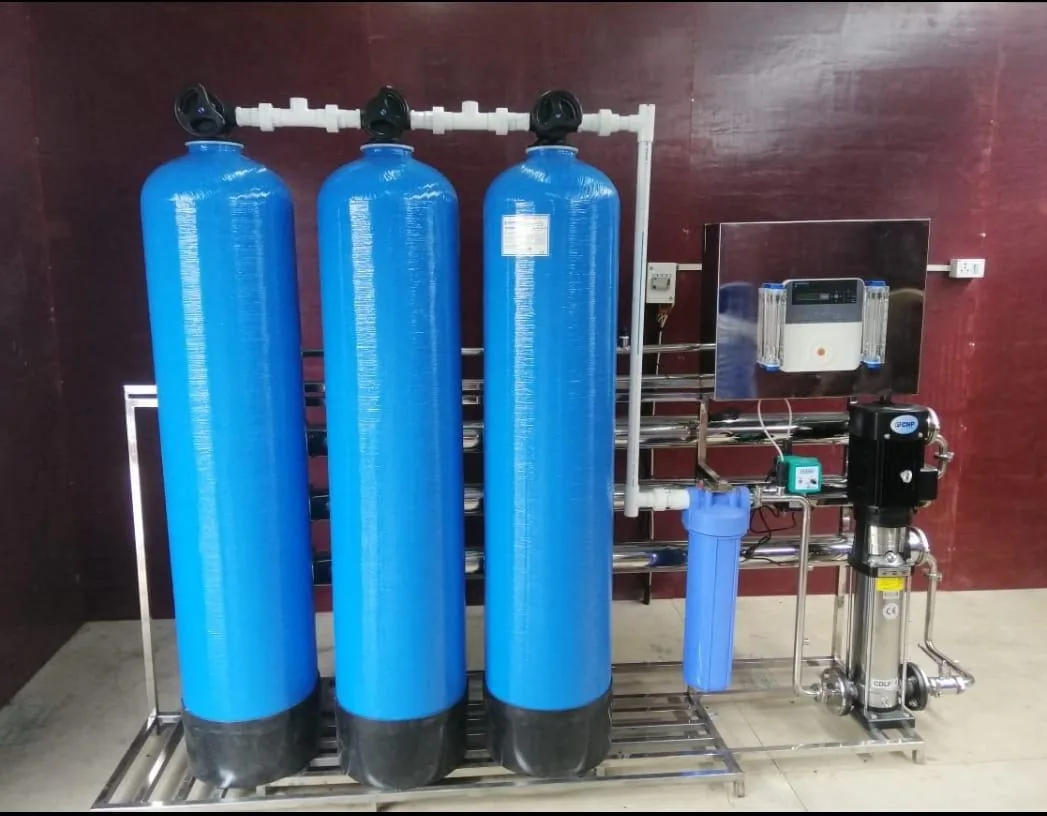
Each session puts you across a membrane from about 120 litres of water — which means the water is not a utility here. It is the treatment. It arrives from the mains and reaches your chair six stages later.
The dialyzer is yours alone. We do not reuse dialyzers.